Showing posts with label moths. Show all posts

Wednesday, 11 November 2015

Day 362 - Flambouyantly Marvelous Flameshoulder Moth

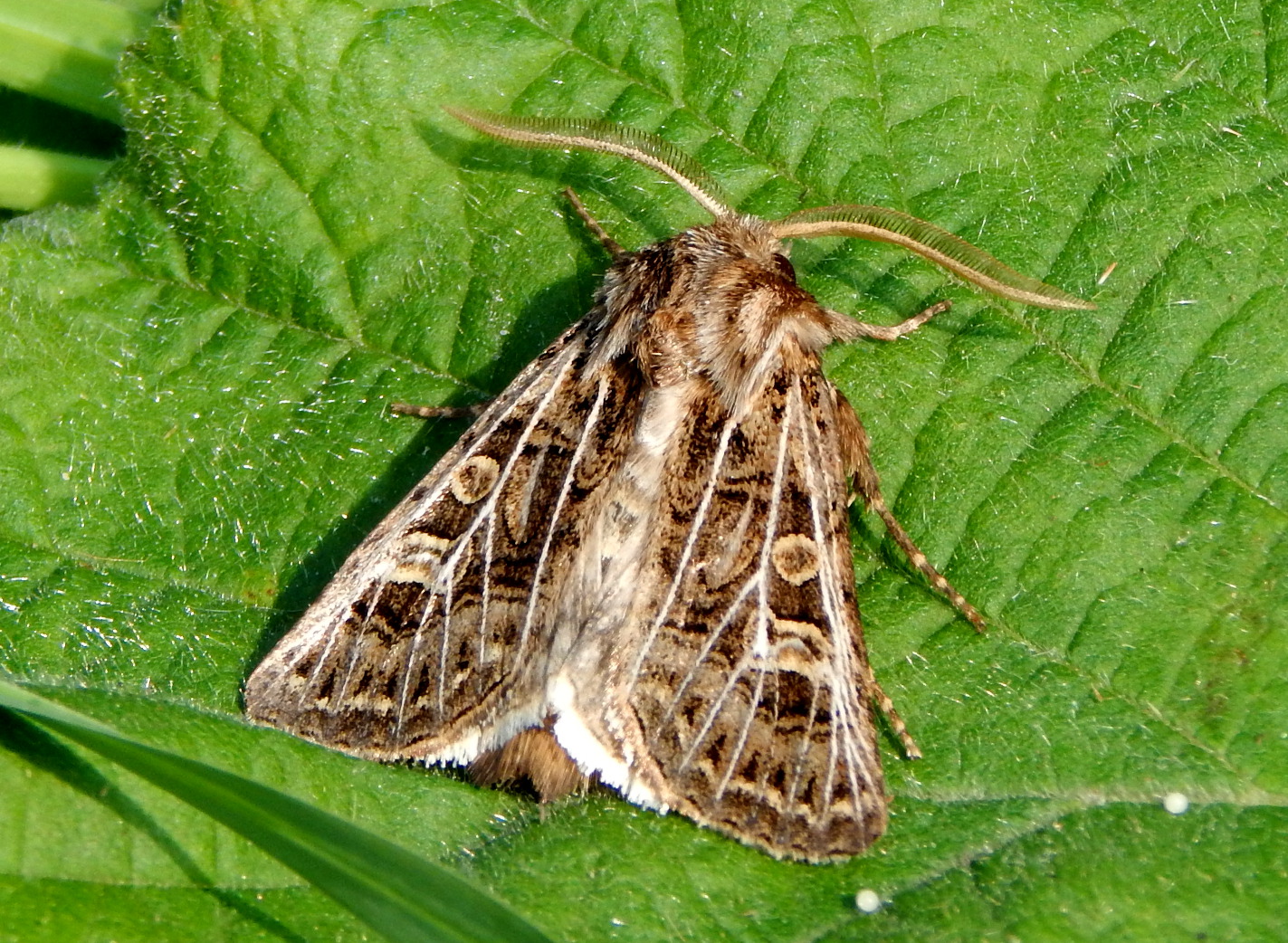
Flameshoulder Moth (Ochropleura plecta
Hey everyone today's Day 362 with only 3 days to go. You'll have figured out already that today's post is a Moth. You'll also know that I went to the Nosterfield Open Day where they had Moth Traps set up and I helped get the moths out. While looking through them we put some into containers so we could take pictures later. I can't wait to do this again as I saw so many different varieties of moths.
Today's particular one is called the Flame Shoulder Moth. It's a beautiful moth and I can't wait to cover it.

So, here are the facts:

  • They are very common around all of the UK and are more widespread than some other moth species I have covered
  • Saying this, they are found less commonly in Scotland. Weirdly, they aren't found less in the West.
A bugs eye view :-)
  • One last on distribution they are one of the first moths that are recorded in Northern Ireland that I have covered. 
  • As for habitats they usually live in woodland edges, gardens and meadowland.
  • They have a 25mm - 30mm wingspan which is actually quite a medium sized moth for the United Kingdom.
  • There are 2 generations, the first flying in May and June and the second flying in August and September.
  • Adults visit various flowers for nectar especially Ragwort.
They may be common but they are beautiful!
  • The caterpillars are nocturnal, they are found at night, and they live on plants like Dock and plantain
  • The larvae feed up through late summer into autumn and over winter as a pupa
  • The name refers to the flame-like straw coloured sides that the Moth has on its wings.
Here is a link  to some more information:


Hope you enjoyed,

Z.

Tuesday, 3 November 2015

Day 354 - Marvellously Perfect Mother of Pearl Moths

11 days to go

Hey everyone, Day 354 today, and before I start on todays blog I want to say a big thanks to BBC Springwatch. I did a little #mypatch video and a clip was on last nights Unsprung, got a nice mention by Chris Packham too so really, really chuffed! You can see the clip here on BBC Iplayer the my patch bit at about 4 minutes in. I'm the 'Little guy in the woods in the rain' :-)

If that wasn't enough I also got asked to do a guest blog for the BBC Springwatch website which I've linked here. Please post a comment on there if you get a minute, I'd love to do some more :-).

Well after all that excitement a little update on @NormanNuthatch - bit worrying today, he flew into the window! After a bit of a rest he was alright but Mum had to keep an eye on him as it took a while for him to get back to normal. I hope Normans #MyPatch video gets on Unsprung :-)

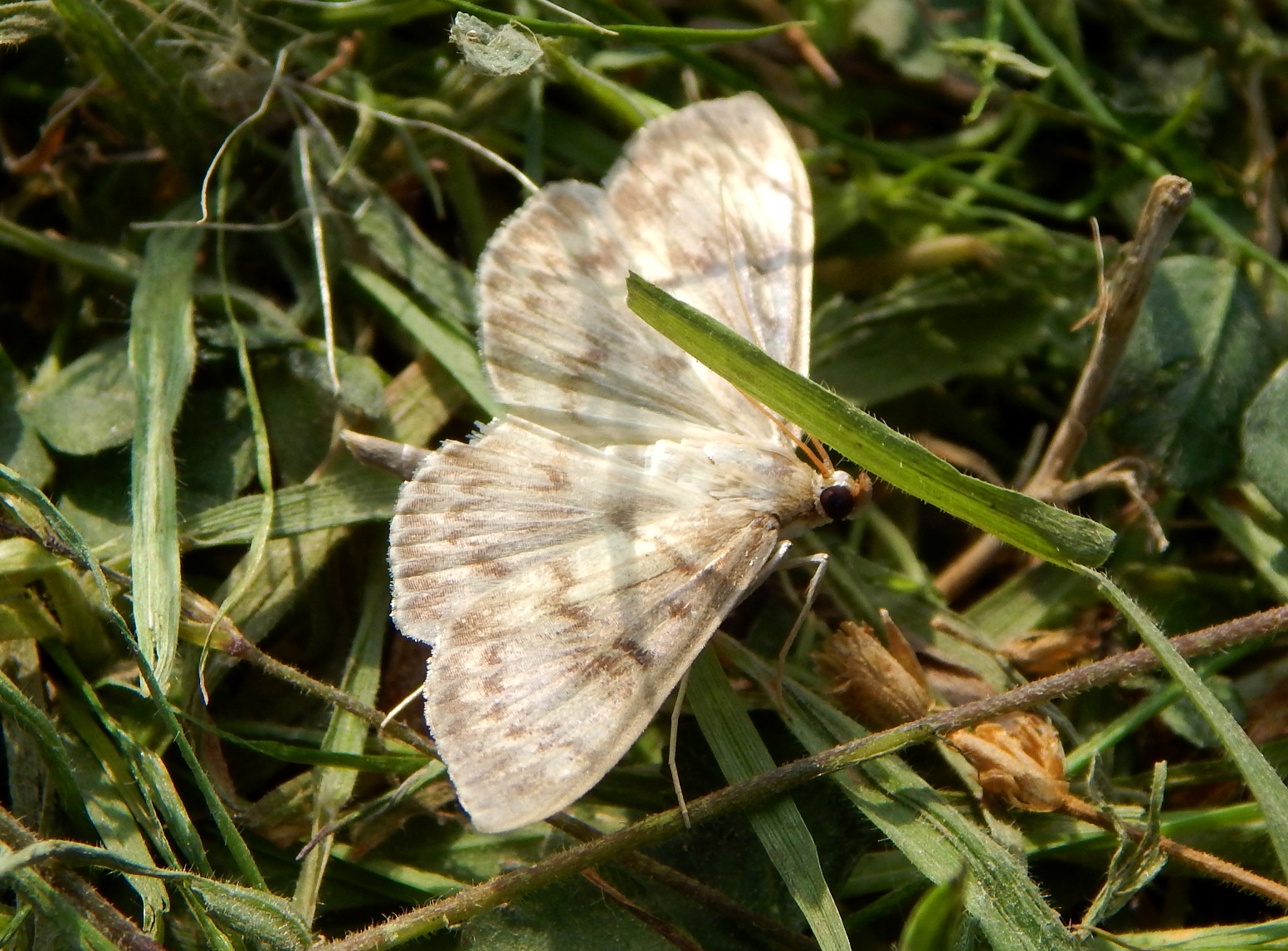
Mother of Pearl Moth (Pleuroptya ruralis)
Well now todays species, its a Mother of Pearl moth that was trapped at the Nosterfield open day! This was a lively one so I'm glad I got my bugs eye view while he was in the container. So what did I find out about these lovely moths?


  • They are found all over the UK but get less common as you travel north and west, a familiar pattern for most moths I cover.
  • They have a wingspan of 26-40mm but are classed as a micromoth, surprising then that hey have a bigger wingspan than some macromoths!
  • Mainly active at night they are attracted to light so no surprise it ended up in the moths trap!
  • Habitats it likes include gardens, wastelands, rough pastures and nettle beds.
A bugs eye view
  • They like to lay their eggs on nettles and the larvae spin the leaves together into a tube and feed out of site.
  • On Wikipedia it says the rolling action of the larvae has been studied and used to make next gen robots that can roll.
  • I think this refers to a tactic its larvae use to escape predators - if they meet a predator they anchor their rears to the ground, recoil rapidly making themselves in to a circle and roll away. 
  • Apparently this allows them to move away from the predator 40 times more quickly than it would if it crawled!
And another but not so good
  • They fly from June to September depending on location.
  • Their name comes from the lustre (good word) of their wings in sunlight which have a colourful rainbow like effect like mother of pearl!
So that's about all I could find out but form more photos and facts try:


Hope you enjoyed.

Z.


Thursday, 22 October 2015

Day 342 - Fabulous Footmen

Common Footman (Eilema lurideola) at Titchwell
(though also told it might be Dingy Footman)
Hey Everyone, well it's Day 342 and I've got a species for you today that I've seen in several places this year. This could be one on my Titchwell Toilet series as I've seen them there. There was also one or two in the trap when we did the moth trapping at Nosterfield Open Day, and I've also had them in my house. I'm sure I've seen them other places too but these are the main ones that I remember. If you read my blog regularly you'll probably have guessed by now that its a moth that I'm covering today, and it is in fact the Fabulous Footman. It's a lovely moth, and it has quite a unique look compared to most moths I know.

So I did my research and here's what I found out about them:

And one at Nosterfield
  • Well not surprisingly I found that they are found across most of England and Wales but are only found in bits of Ireland and Scotland.
  • They like habitats like farmland, marshes, gardens and woodland - but there has to be lichen.
  • Why does there have to be lichen? Well that because their larvae feed on it.
  • They have a wingspan of 28-35mm but I've never seen one with its wings stretched out.
  • I've only ever seen them like they are in the photos here where the wings are wrapped around their body.
  • When they hold their wings like this they are supposed to look a bit like a Footman which was a type of servant - I looked this up and the Queen was looking for a new Footman this year so they still exist!
And a bugs eye view :-)
  • Well you might see the Queens Footman all year but this moth you will most likely see between May and August with a peak in July.
  • The ones I've seen are the Common Footman (or maybe the Dingy Footman) but there are at least five types of Footman moth in the UK, Common, Buff, Scarce, Dingy and Orange. The Eakringbirds website has some great pictures of them
  • Well there's not so much I could find out about this moth but I did notice that the Common Footman wasn't one of the species that Linnaeus named! I haven't seen one of those for a while, this was named by some one called Johann Leopold Theodor Friedrich Zincken - a German entomologist in 1817.
If you want to see more pictures and information try these sites


Hope you enjoyed,

Z.


Sunday, 18 October 2015

Day 338 - Terrifically Handsome The Herald

The Herald - Scoliopteryx libatrix
Hey everyone today's Day 338 and as you'll all know I went to Norfolk on holiday back in August. It is an incredible place to go, not just for wildlife, but for just normal holidaying. Today will be about nature though. I guess you were expecting that but you may not expect where I found today's species. I went to Titchwell Marsh RSPB Reserve but before I didn't even get onto the reserve, I found so many moths around the toilets block so the mini-series that I am starting is called the Titchwell Toilet Series! This particular one that I found is called The Herald Moth.

So, here are the facts:

  • Now, it seems logical to think that all of the Moths that I found in the Toilets at Titchwell will be attracted to light, as the lights were on during the night. I mean, why else would they be in there?
  • Well, another quality that they'll have to have is they'll a) have to be able to fly and b) have to fly at night, mostly.
  • All of these ring true for The Herald Moth, you can see them flying at night but they can be disturbed during the day, they fly and are attracted to light.
  • These are not the most common Moth that I have ever covered in my blog. But they do seem to be quite common in Ireland. 
  • Like all Moths I've covered as far as I remember, in the rest UK they are found most commonly in England getting less so the further North and West you go.
    This one was high up right near the ceiling so not
    much chance of different angles to get better shots.
  • They have a wingspan of a quite reasonable 40mm. I have covered bigger, yet I have also covered smaller ones too.
  • They aren't found in many habitats. They are apparently only seen in Broadleaf Woodlands and Gardens.
  • The adults are seen mostly on Ivy Blossom and ripe Blackberries.The caterpillars are only seen on Willow, Aspen and Poplar trees.
  • Now, as I said above, they are attracted to light, but they also seem to be attracted to sugar. So I am likening these today to a happy child. Likes light, loves sweets!
  • I saw this one in August but, as they overwinter as adults, they are one of the last moths you see in the year and also one of the first to be seen in spring.
Here are some links to some more information:


Hope you enjoyed,

Z.

Friday, 16 October 2015

Day 336 - Rippling Winged Riband Wave Moths

Riband Wave moth (Idaea aversata) at Titchwell toilets
Hey everyone, Day 336 and today I've got a lovely moth that I've seen in a lot of places I go. I've seen them in Norfolk, at Nosterfield, in the Lake District and at home. I always like looking at Moths, wherever they are. Before I'd started my blog I'd seen the odd moth in our porch that had probably stopped off there after being attracted by the porch light but I hadn't seen many varieties. That has changed so much during the last year, I've see so many varieties and there are a lot more out there!

Another from Titchwell.
Apart from my moth trapping at Nosterfield the other place I've seen most varieties was, perhaps bizarrely, the toilets at RSPB Titchwell. I almost did a series of posts called the Titchwell Toilet Series as I saw so many!

I shall be looking for more chances to go moth trapping! Today's post will be on the beautiful Riband Wave Moths. They are very nice to look at, just like all nature.

So, here are the facts:

    One from our caravan at Kelling
  • They are very common all over the UK, like all Moths they get less common the more North and East you go.
  • They are probably the most common Moth in Ireland that I have seen in my blog so far. I always liked a record beaker!
  • Going back to the first fact, it seems that the reason for this is because they have a second brood in the South only.

    Looking under the wings

    • They are quite a small Moth, their wingspan is only 23mm - 30mm. I can't think that I've covered many smaller Moths except Agapeta Hamana which is one of my favourites! Check out the link if you cant remember why!
    • They are seen flying commonly between June and August. Almost all of the moths that I have covered are found between these times.
    • The larvae feed on a range of plants found down low such as Dandelion, Dock, Besdtraw and Knotgrass.
    • You can find the larvae from September all the way through to May as they overwinter as larvae.
    This is the version with the longer name
    Idaea aversata ab. remutata 
    • They are found in a lot of habitats including gardens, hedgerows, woodland, grassland and fens/lakes. 
    • I have seen them in some of their different forms as you can see in the pictures.
    • The typical form, the one you can see in the first pictures, it has a dark band across all four of its wings. The other form has only narrow cross lines, this form has a longer latin name!
    A bugs eye view from Nosterfield

    Here are some links to some more information:


    Hope you enjoyed,

    Z.

    Wednesday, 9 September 2015

    Day 301 - Resplendent Ruby Tiger Moths

    Ruby Tiger Moth (Phragmatobia fuliginosa)
    Hi all, Day 301 and after a lovely couple of raptors I was wondering what to do to follow that. One of the wonderful things about nature though is that there are so many amazing creatures out there of all shapes and sizes that it didn't take me long looking through my photo's to find a nice subject.

    This is another great find from when I was at Nosterfield Local Nature Reserve open day. I don't know if I've ever described the area where I live. I live in a huge vale, the Vale of Mowbray which sits between two beautiful national parks, the North York Moors and the Yorkshire Dales. Running through the vale are beautiful rivers and this might be why there is so much sand and gravel around. If it wasn't here then Nosterfield Local Nature Reserve wouldn't be there as the reserve is on the site of an old quarry. It's also near a really fantastic set of henges which are really special - Thornbrough Henges.

    This was a beauty of a moth
    Anyway, today's species was one of the more colourful moths that we found when emptying the moth traps, the Ruby Tiger Moth!

    So I did my research and here's what I found:

    • They seem to be common all over Britain, being most common in the South. They don't seem to like Ireland as much though.
    • Habitats that they like are mostly open habitats like lowland, heathland, moorland, woodland clearings, sand-dunes, gardens and water meadows. Nosterfield has most of these.
    • Their caterpillar looks quite spiky and fluffy so my advice is not to touch them as they could irritate your skin.
    • They are mostly the same colour as the adults (see below) except for the yellow stripe that the caterpillar has on its back.
    The Black dots are very clear here
    • The Ruby Tiger Moth is ruby (no surprise there then). it does have two black spots on its back-wings as well though.
    • In the South there are two broods, one in April and June with the other in August and September.
    • In the North, though, there is but one brood, just in June, this'll explain why they are more common down South.
    • They have a 30mm - 35mm wingspan so, in moth terms, they are about medium sized. 
    • The Larvae are Polyphagous, meaning that they can feed on different types of food plants, mostly on a number of herbaceous plants, like plantains, dandelions, ragworts and docks
    This shows it colour and wonderful furry head
    • Ruby Tiger Moths are nocturnal, and are attracted to light at night hence how we got them in the traps.
    Here are a few links to some more information:


    Hope you enjoyed,

    Z.

    Friday, 4 September 2015

    Day 296 - Fabulously Gorgeously Marked - Feathered Gothic Moths

    Feathered Gothic Moth (Tholera decimalis)
    Hey everyone! Day 296 and I'm going to cover something I promised to do when I covered my day helping out at Nosterfield Local Nature Reserve Open Day. I had a little surprise related to this today, my picture was in our local paper! There was a nice little article about the open day and a photo of all the volunteers. Anyway, as you probably know I was helping out with the moth trapping and one of the species that was found that was new to the reserve was today's species - the Feathered Gothic Moth. It's a very pretty moth and it has some fantastic antennae.

    So what did I find out about these lovely creatures:

    The Feathers - fantastic antennae
    • The wings of these moths have a lovely white tracing which looks a bit like the stone parts of abbey or church windows and is why they have the Gothic part of their name, if I remember what Jill and Charlie told me right. 
    • The feathered bit of the name is because they have some fantastic antennae, see the pictures!
      A side view, zoom in to see the hairs
    • I found a site that said that in the 1850's they were renamed. Before this they were in a genus Heliophobus which means 'Dread of the Sun' - that fits very well with their Goth image!
    • They are most common in the South of England but get less common as you go North and don't seem to like it in the highlands of Scotland.
    • You will find them in August and September, this is when they are 'on the wing'.
    • The larvae eat grass. when they are little they eat the leaves and as they get older they will eat the stems.
    • Habitats they like to live include lowland areas, rough grassland and woodland
    Setting it free I got a great bugs eye view
    • They have a wingspan of 38-48mm
    • As they fly quite late in the year they overwinter as an egg.
    If you want to see more pictures try these sites, I think I've covered all the facts I could find!


    Hope you enjoyed,

    Z.

    Saturday, 29 August 2015

    Day 290 - Superly Perfect and Magnificent Swallow Prominent Moth

    Lesser Swallow Prominence (Pheosia gnoma)
    Hey everyone today's Day 290 and as you know, I was recently at the Nosterfield LNR reserve working as a volunteer. I was put on the morning job of helping with Moth trapping which was quite popular and had quite a good crowd. I loved seeing the amount of Moths and the variety. From the first-for-Nosterfield Feathered Gothic to all of the 284 Yellow Under-Wings. Another of my favourites that I saw was the lovely Swallow Prominent.

    View from above of the Lesser.
    This post will be about the two similar species, the Lesser Swallow Prominent as well as the Swallow Prominent.

    So, here are the facts:

    • The Lesser Swallow Prominent is actually more common in England, Scotland and Wales but it is less so in Ireland.
    • The Swallow Prominent can range from 40mm - 55mm while the Lesser Swallow Prominent is (of course) Lesser and ranges from 45mm - 50mm.
    Swallow Prominence (Pheosia tremula)
    • The Lesser Larvae feed, very specifically, on birch. They then overwinter underground in their cocoon.
    • The Swallow Prominent larvae eat Poplar and Willow and also overwinter underground, the same as the Lesser.
    • They both eat, as Adults, Nectar from most plants.
    • They are found in Woodlands, Meadows (where they will find most of their food from), Heathlands, Parks and Gardens.
    Hairy head close up
    • They were first recorded in 1854 although they will have been around way before that time.
    Wings spread
    • The way to tell the difference between the two of them is by looking at the white wedge toward the top of their wings. In the Lesser Swallow Prominent it is a chunkier, shorter wedge.
    • Both species may well have two broods. They are generally on the wing between May and June and then also again in August.
    Here are some links to some more information:


    Hope you enjoyed,

    Z.

    Saturday, 1 August 2015

    Day 271 - Delightfully Awesome and Magnificent Dark Arches Moth

    Dark Arches Moth (Apamea monoglypha)
    Hey everyone today's Day 271 and I today I am looking a bit closer to home than yesterday. I know that I said I wouldn't get chance to do them everyday because I'm on holiday, but I thought that because I had some time in the morning while Dad packed the car up, I should do one. like I said I am looking closer to home today as I found this Moth underneath a piece of wood in the garden. I was very surprised it didn't fly off straight away, but instead it was quite happy to stay on the wood long enough for me to get my camera and get some nice shots.  From the title and the pictures you'll know that I am talking about the Dark Arches Moth.

    So, here are the facts:
    A moths eye view.
    • The Moth itself is brown with Dark Arches at the back of its wings. It's this that gives it its name.
    • The Pupa is bright red all over, which is hard to miss. The caterpillar is Green with several Black dots on each one of its 'segments'.
    • It looks like I will be seeing quite a lot of them this week in Norfolk as they seem to be very successful there. They're a little less common everywhere else, though...
    • ...They're not very common in Ireland or West Scotland, they're pretty widespread in South-West England but definitely not as common as East Anglia.
    • They have a wingspan of 45mm - 55mm and ones with Melanism (completely Black ones) are seen frequently.
    • They can be seen flying between July and August including, and later broods are seen between September and October in the South of England.
    Got a shot with wings open a bit when
    I moved it to a new home
    • It is a Night-Flying Moth but it can be disturbed in the day. It is attracted to light making it a regular visitor to late-Summer Moth-Traps.
    • This species is found in all of Europe apart from Greece. It is also found parts of Asia, it's even found in the Alps up to 2,500 metres.
    • From what I can find the larvae feed on a variety of grasses.
    Here are some links to some more information:


    Hope you enjoyed,

    Z.

    Sunday, 17 May 2015

    Day 195 - Brilliant Bird-ringing and Marvellous Moth-Trapping

    A view over the river at High Batts from the ringing station
    Hi all today's Day 195 and today I had a very early start to get ready for a special day. As you know I go to Nosterfield Nature Reserve (run by Lower Ure Conservation Trust) and the co-founder (Jill Warwick) invited me to do something very special. The place where we went to (High Batts) wasn't too far away from Nosterfield itself so we didn't have to wake up as early as we might have.


    A Blackcap
    So, on with what I did. To start with, do you ever wonder how the RSPB and BTO get the information and facts that I use in my blog? Well have you ever seen a bird with a small metal ring around its leg? Well that's because of bird-ringers. Bird-ringers are people who set up nets to catch birds and then examine them, record their weight, age, wing length and gender. Then a ring with a unique number is attached carefully to it before it is let free.


    My first Whitethroat - and up very close!
    If it HAS already got a ring on it then they will record it and then let it go. All of this is done to collect lots of information on birds to try to understand their movement and survival rates. The information helps with conservation of lots of birds. According to the BTO there are around 2,500 volunteer bird ringers in the country that record information on around 1 million birds a year!


    Great Spotted Woodpecker
    It was really good to see how all this is done and get up close to the birds. It wasn't the busiest session but I still saw some lovely birds. Today there were Blackcaps, a White Throat, Great Spotted Woodpecker, Treecreeper, Willow Warbler and a couple of Blackbirds. I was able to get some lovely shots of the birds up close and got to release some after they were recorded and ringed. Thanks to all the people there for the East Dales Ringing Group, really friendly and I learnt a lot from everyone today!


    Here are the spots that give it its name
    As if that wasn't enough there were also some moth traps set up overnight. It was a cold night though so not many moths were caught but some very pretty ones were found. I really liked the Hawk moths but some of the smaller moths were really nice too. I shall keep more of a look out for Moths in future!


    Lime Hawk Moth
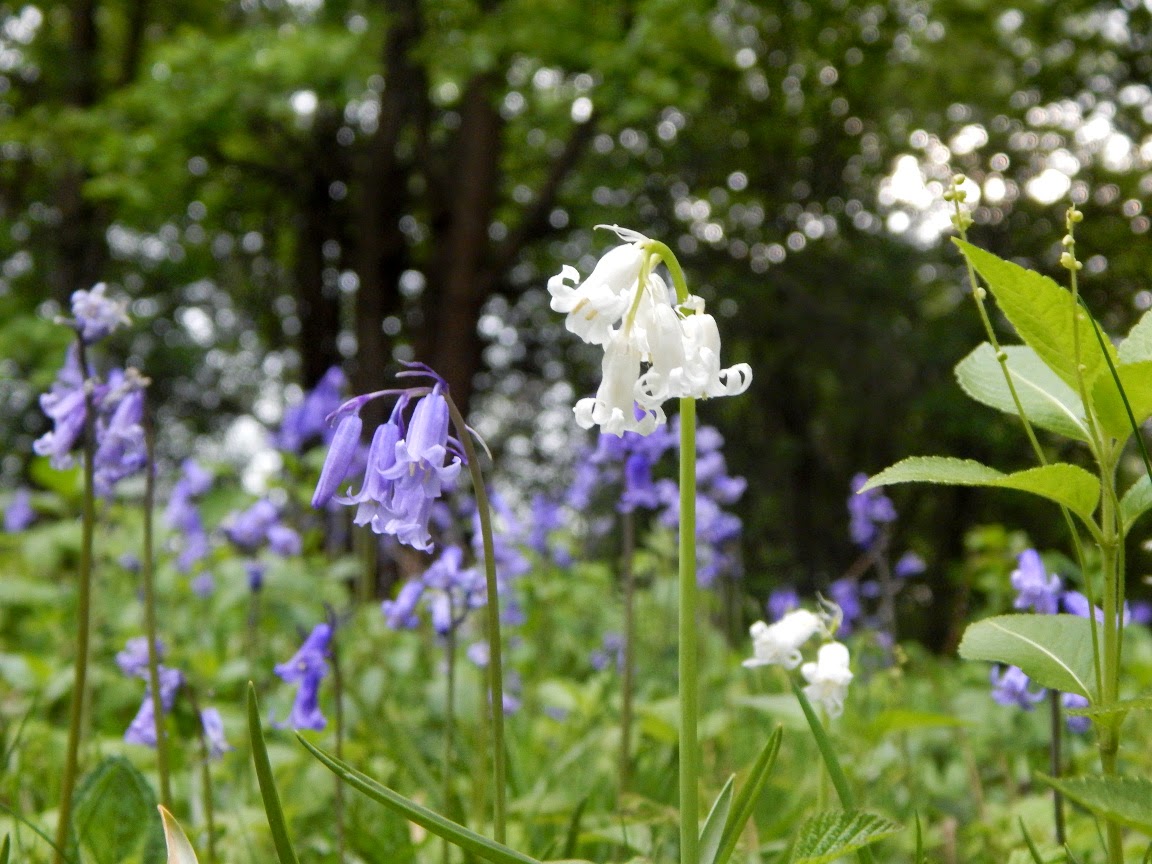
    A white Bluebell!
    It was an open day at High Batts and there were a lot of different people there interested in different species. As we were making our way out I was able to get close to a little Wood Mouse and saw the end of a little talk on Bats, another species I really like looking out for especially when I'm on my holidays.


    There were lots of flowers out too which you can see in the first and last photos. I was surprised to see the white Bluebell, I've never see one of those before!


    So if you get the chance I'd really recommend finding out about getting involved in ringing, I'm going to be finding out more and seeing how I can get more involved. If you happen to be in North Yorkshire when High Batts is having an open day I'd recommend that too - it's a really lovely place.

    A few links:


    Lower Ure Conservation Trust

    Nosterfield

    East Dales Ringing Group

    High Batts


    Hope you enjoyed,

    Z.